


Navigating global trade regulations is one of the most complex challenges facing worldwide exporters in 2025. The international regulatory landscape encompasses tariffs, customs procedures, trade agreements, export controls, sanctions, product standards, and documentation requirements that vary significantly across countries and regions. Understanding and complying with these regulations is not optional - it's essential for legal operation, avoiding costly penalties, maintaining smooth supply chains, and building credibility with international buyers.
For worldwide exporters, regulatory compliance begins with comprehensive knowledge of both origin country export regulations and destination country import requirements. This dual perspective ensures shipments clear customs efficiently, duties and taxes are calculated correctly, required certifications are obtained, and all legal obligations are met. Non-compliance can result in shipment delays, confiscation of goods, financial penalties, legal liability, and permanent damage to business reputation in international markets.
Successful worldwide exporters treat regulatory compliance not as a burden but as a competitive advantage - proper compliance ensures reliability, builds trust with buyers, and opens doors to markets that less diligent competitors cannot access.
The foundation of trade regulation compliance for worldwide exporters starts with product classification using the Harmonized System (HS) codes. These internationally standardized codes determine applicable tariff rates, required permits, import restrictions, and statistical tracking. Accurate HS code classification is critical because misclassification can lead to incorrect duty assessments, customs delays, and potential penalties. Worldwide exporters should invest time in properly classifying their products or consult with customs brokers for complex items.
Understanding Tariffs and Duty Rates in International Trade
Tariffs are taxes imposed by importing countries on goods crossing their borders. For worldwide exporters, understanding tariff structures is essential for competitive pricing and market selection. Tariff rates vary based on product type, country of origin, trade agreements, and specific harmonized codes. Some countries offer preferential tariff rates to trading partners through free trade agreements (FTAs), while others maintain higher rates to protect domestic industries. Worldwide exporters should research applicable tariff rates for each target market, explore opportunities to qualify for preferential treatment under trade agreements, and factor duty costs into pricing strategies.
Beyond standard tariffs, worldwide exporters must be aware of additional duties that may apply including anti-dumping duties imposed when products are sold below fair market value, countervailing duties to offset foreign government subsidies, safeguard measures for temporary import restrictions, and value-added tax (VAT) or goods and services tax (GST) collected at import. These additional charges significantly impact landed costs and must be considered in pricing calculations.
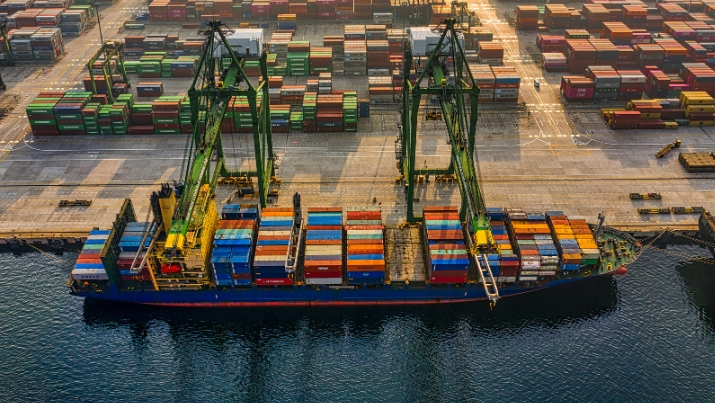
Customs procedures represent the operational side of trade regulations that worldwide exporters encounter with every shipment. These procedures include pre-arrival documentation submission, customs declaration filing, duty and tax payment, physical inspection protocols, and clearance authorization. Different countries have varying levels of automation, documentation requirements, and processing times. Worldwide exporters benefit from understanding each market's specific customs procedures, working with experienced customs brokers, maintaining accurate records, and ensuring all documentation is complete and consistent before shipment arrives.
- HS Code Classification - Accurate product categorization for tariffs
- Export Licenses - Required permits for controlled goods
- Certificates of Origin - Proof of manufacturing location
- Trade Agreement Compliance - Qualifying for preferential rates
- Sanctions Screening - Avoiding prohibited destinations and entities
- Product Standards - Meeting technical and safety requirements
Export Controls and Licensing Requirements
Many products require export licenses or permits before worldwide exporters can legally ship them internationally. Export controls typically apply to items with military applications, dual-use goods with both civilian and military purposes, certain technologies and software, items going to sanctioned countries, and products subject to international non-proliferation agreements. Worldwide exporters must determine if their products require export authorization, apply for necessary licenses well in advance of shipment, maintain detailed records of licensed exports, and comply with end-use and end-user restrictions specified in licenses.
Trade Agreements and Preferential Treatment
Trade agreements between countries can provide significant advantages for worldwide exporters through reduced or eliminated tariffs, streamlined customs procedures, and improved market access. Major agreements include bilateral FTAs between two countries, regional agreements covering multiple nations, and customs unions with common external tariffs. To benefit from preferential treatment, worldwide exporters must meet rules of origin requirements proving substantial transformation or value addition in the exporting country, obtain proper certificates of origin from authorized bodies, and ensure compliance with agreement-specific documentation. Understanding applicable trade agreements and qualifying for benefits can provide crucial price advantages over competitors.
Sanctions and Restricted Party Screening
International sanctions regimes prohibit or restrict trade with certain countries, organizations, and individuals. Worldwide exporters must implement robust screening procedures to ensure they don't inadvertently violate sanctions by checking customers against restricted party lists maintained by government agencies, verifying end-users and end-uses of exported goods, avoiding transactions with sanctioned countries or territories, and documenting all due diligence efforts. Sanctions violations carry severe penalties including substantial fines, criminal prosecution, loss of export privileges, and reputational damage. Worldwide exporters should use automated screening tools and regularly update their compliance procedures as sanctions lists change frequently.
Product Standards and Technical Regulations
Beyond customs and export controls, worldwide exporters must ensure their products meet destination country standards for safety, environmental protection, labeling, and technical specifications. These requirements vary significantly by country and product category. Common standards include electrical safety certifications for electronic products, food safety standards and sanitary requirements, environmental compliance for chemicals and materials, labeling in local languages with required information, and product testing by authorized laboratories. Worldwide exporters should research applicable standards early in product development, obtain necessary certifications before first shipment, and maintain ongoing compliance as standards evolve.

Documentation and Record Keeping for Compliance
Proper documentation is the backbone of regulatory compliance for worldwide exporters. Authorities require exporters to maintain comprehensive records including commercial invoices with complete transaction details, packing lists describing shipment contents, export declarations filed with customs, certificates of origin and compliance certificates, export license copies when applicable, and correspondence with buyers and freight forwarders. Most jurisdictions require records retention for 5-7 years minimum. Well-organized documentation protects exporters during audits, facilitates problem resolution, demonstrates due diligence, and provides evidence of compliance with all applicable regulations.
Staying Updated on Regulatory Changes
Trade regulations evolve continuously with new trade agreements, tariff adjustments, updated sanctions lists, changing product standards, and modified customs procedures. Successful worldwide exporters implement systems to stay informed through subscribing to government agency newsletters, participating in trade associations, working with experienced customs brokers and freight forwarders, attending compliance training and seminars, and regularly reviewing regulations for key export markets. Proactive monitoring prevents compliance issues and identifies new opportunities from beneficial regulatory changes.
Conclusion: Building a Compliance-First Export Culture
Understanding and complying with global trade regulations is fundamental to success for worldwide exporters. While the regulatory landscape is complex and constantly evolving, systematic approaches to classification, documentation, screening, and record-keeping enable exporters to navigate these requirements successfully. Investing in compliance expertise, whether through internal staff training or external consultants, pays dividends through smoother operations, avoided penalties, enhanced reputation, and access to markets that strict compliance makes possible. Worldwide exporters who treat compliance as a core competency rather than an afterthought position themselves for sustainable growth in international markets.

Questions About Trade Regulations?
Share your compliance questions or experiences below